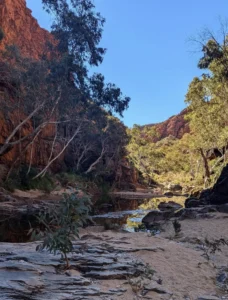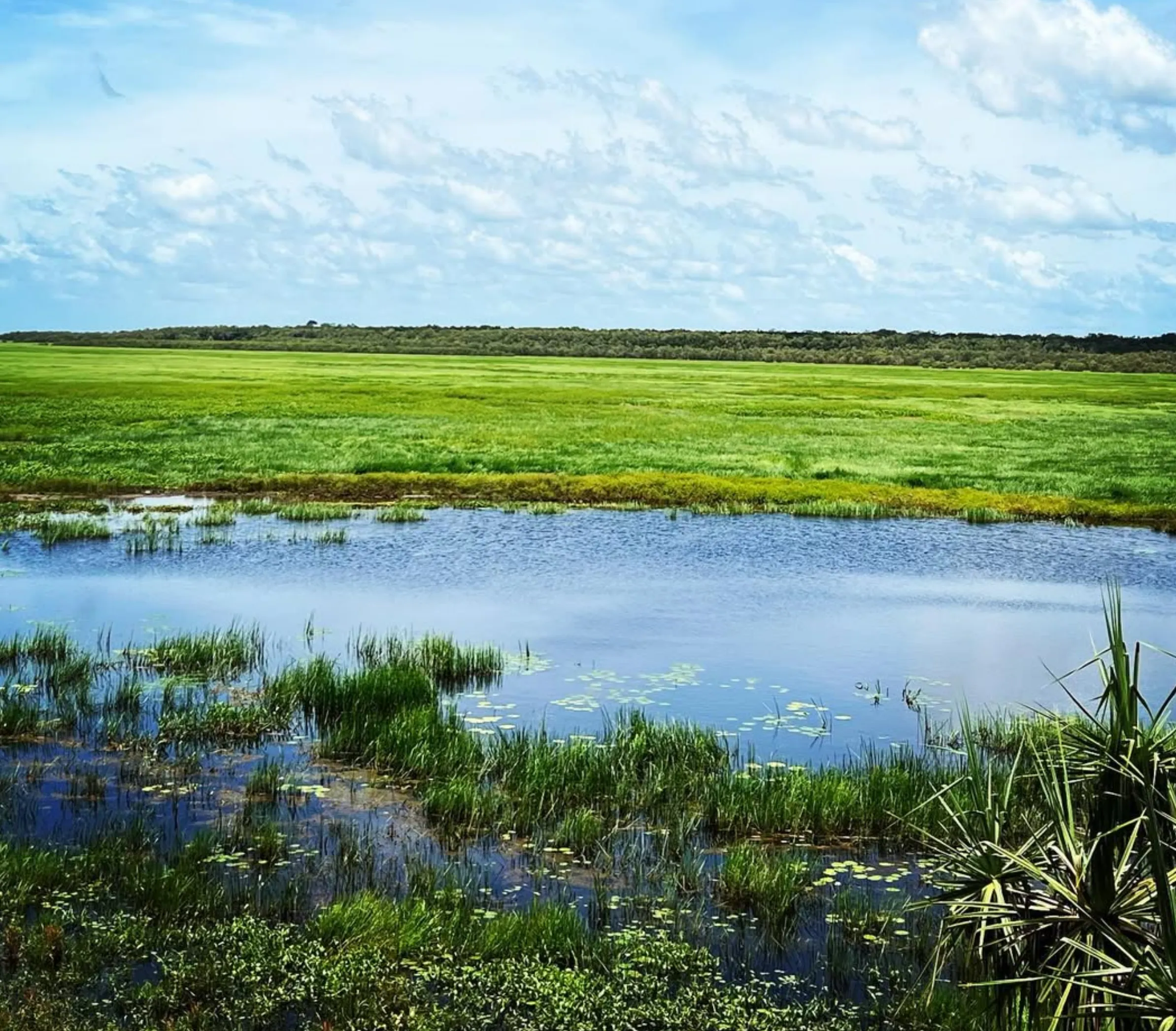

On the Arnhem Highway, Fogg Dam Conservation Reserve is a 12,000 hectare site 60km from Darwin in the Northern Territory. Famous for its biodiversity, wetlands and birdlife, Fogg Dam is a must see for nature lovers. The reserve has floodplain, monsoon forest and paperbark forest habitats, making it a great spot for birding and getting outdoors. Whether you’re a keen birder, eco-tourist or just want to see Australia’s wildlife in all its glory, Fogg Dam is an experience you won’t forget.
History
Fogg Dam was built in the 1950s as a water control project and over time has become part of the natural environment. The cultural significance of the reserve is with the traditional owners of the land and the area is a key habitat for migratory waterbirds and a refuge for resident wading birds. The surrounding ecosystems support an incredible amount of flora and fauna so the reserve is a valuable asset for conservation and education.
Wetlands and Floodplain Habitats
Fogg Dam is part of the Mary River Floodplains, a region famous for its wetlands and coastal floodplains. These floodplain habitats are a dry season refuge for wildlife and are alive with life. In the wet season the area floods and the floodplains come alive. As the wetlands dry out, birds such as the Magpie Goose, Rose-crowned Fruit-Dove and Black-necked Stork make their home here. With water all year round Fogg Dam is a vital stopover for migratory waterbirds passing through the Northern Territory.
Bird Watching
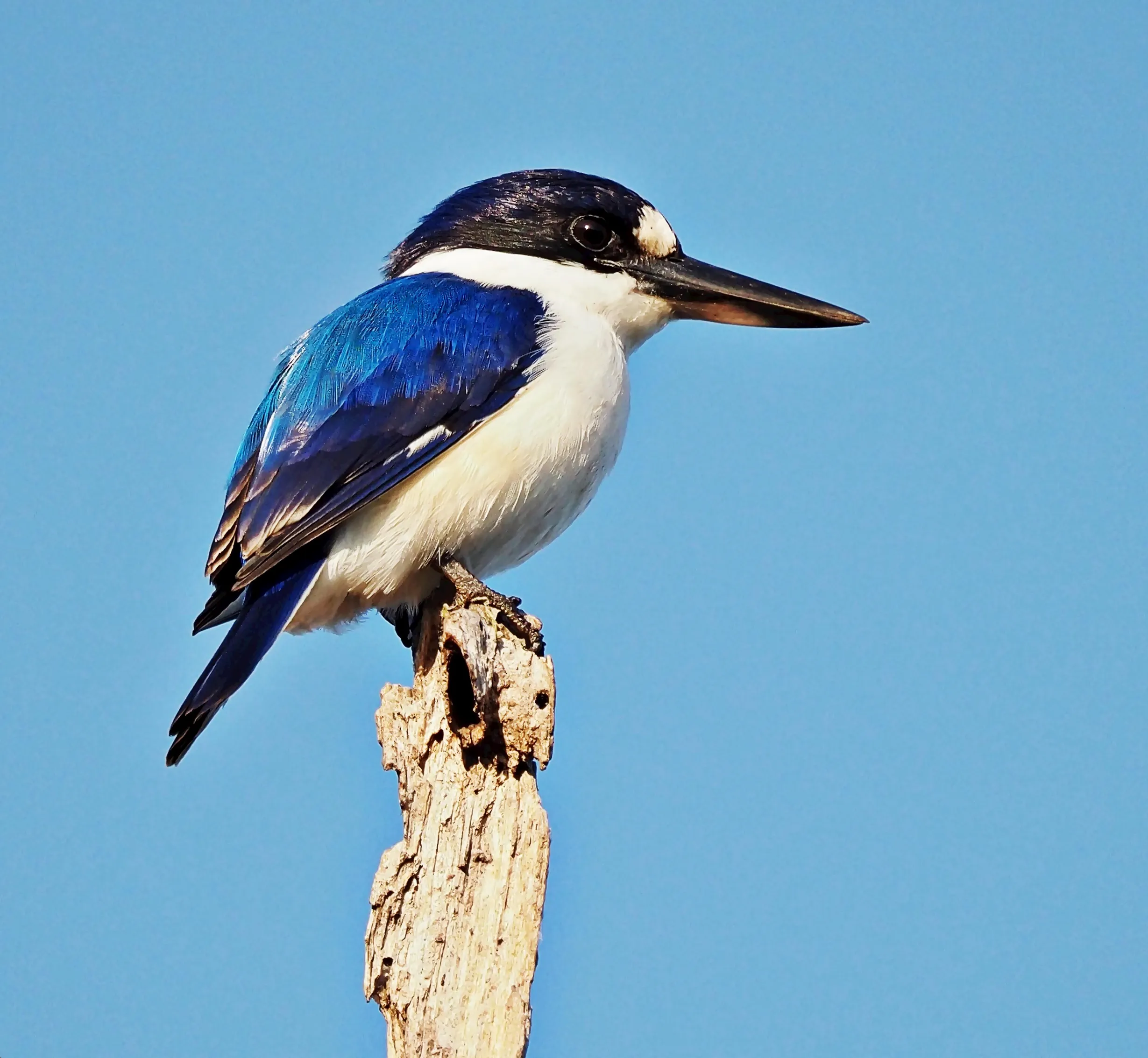
Fogg Dam is a birding hotspot, with birds from all over Australia and beyond. Birders can find a wide range of birds including resident wading birds and migratory species like the White-bellied Sea-Eagle, Rufous-banded Honeyeater and Northern Long-necked Turtle. Rare sightings of the Rainbow Pitta, Forest Kingfisher and White-browed Crake have been recorded here. The birdlife is incredible and with multiple birding spots to choose from visitors can get up close and personal with these amazing birds. Whether you’re strolling through the forest, looking out from the elevated views along Fogg Dam Road or walking through the monsoon forest, Fogg Dam is a birding paradise.
See more of the region with Darwin tours – wildlife, cultural and scenic drives.scaled and resized with permission of Tourism NT
Walking Trails and Viewing Platforms
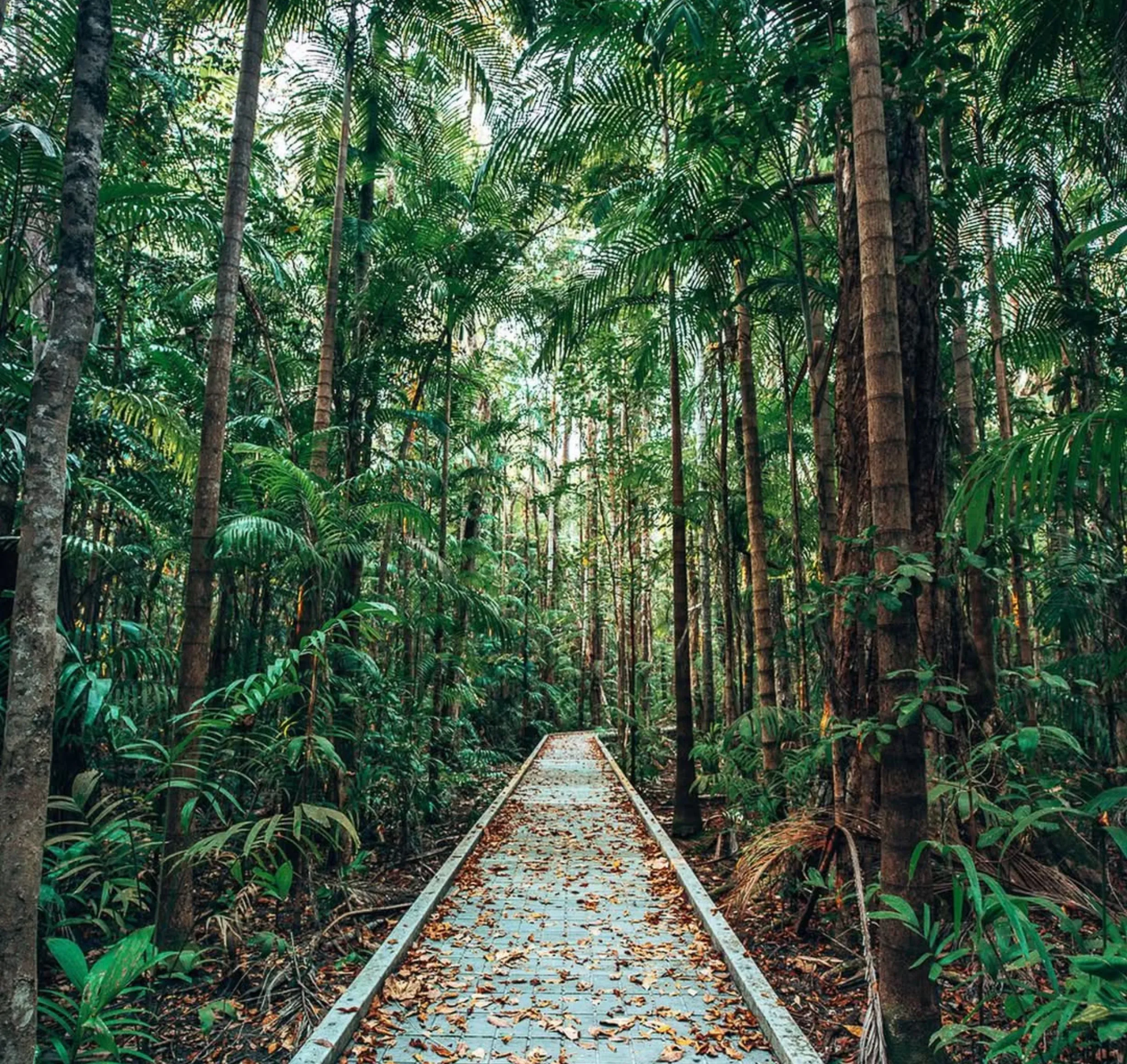
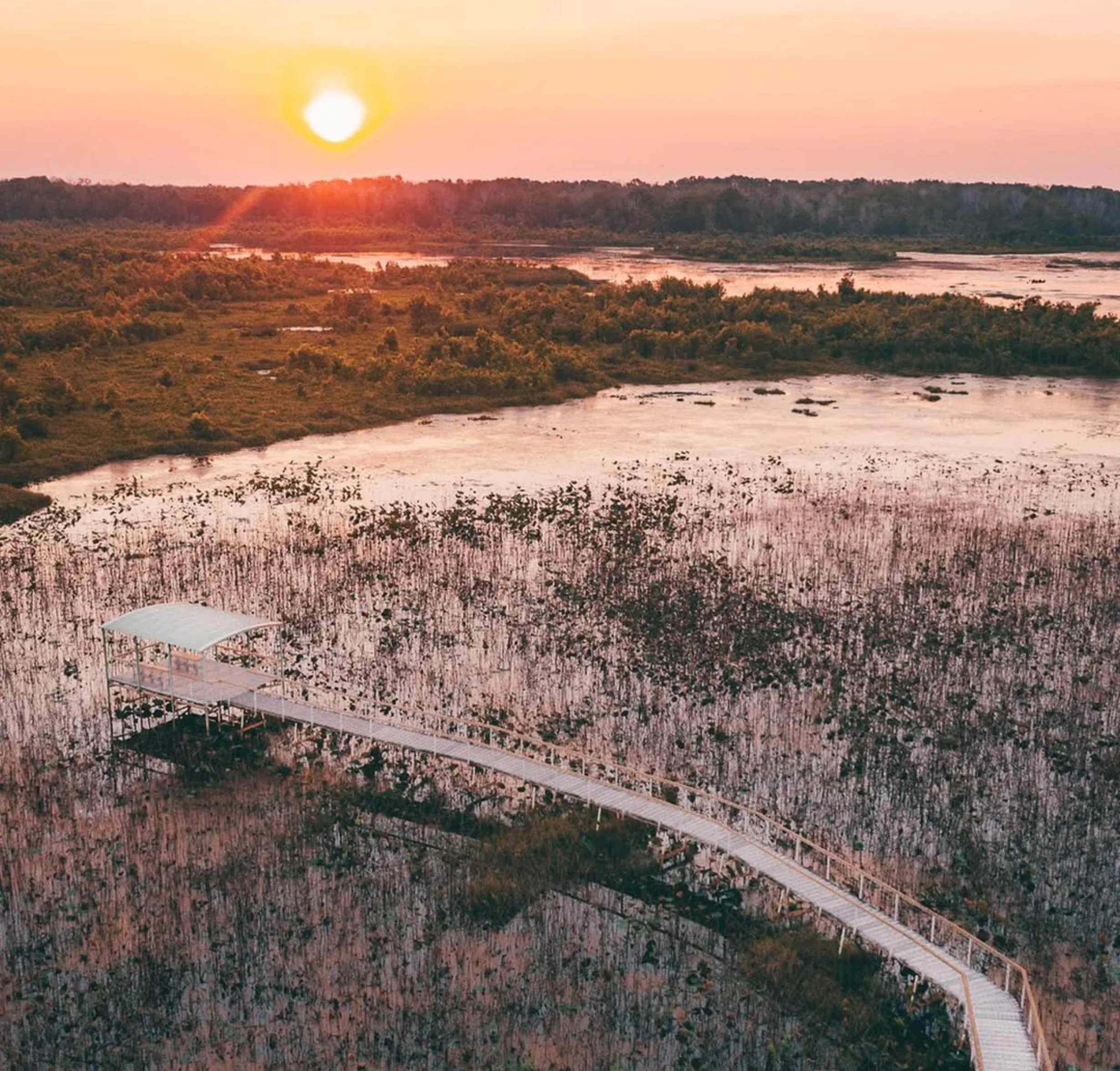
Fogg Dam has several walking trails to explore the many habitats within the reserve. The Fogg Dam Monsoon Forest Walk is a must do, takes you through the shady forests and gives you glimpses of the wetlands. The trail leads to viewing platforms that offer stunning views of the wetlands and floodplain. Along the walk you can get up close and personal with the natural systems of the reserve and enjoy the birdsong. Fogg Dam Wetlands and Fogg Dam Road are two of the best bird watching spots, access to birding locations where you can see many species in their natural habitat.
Best Time to Visit
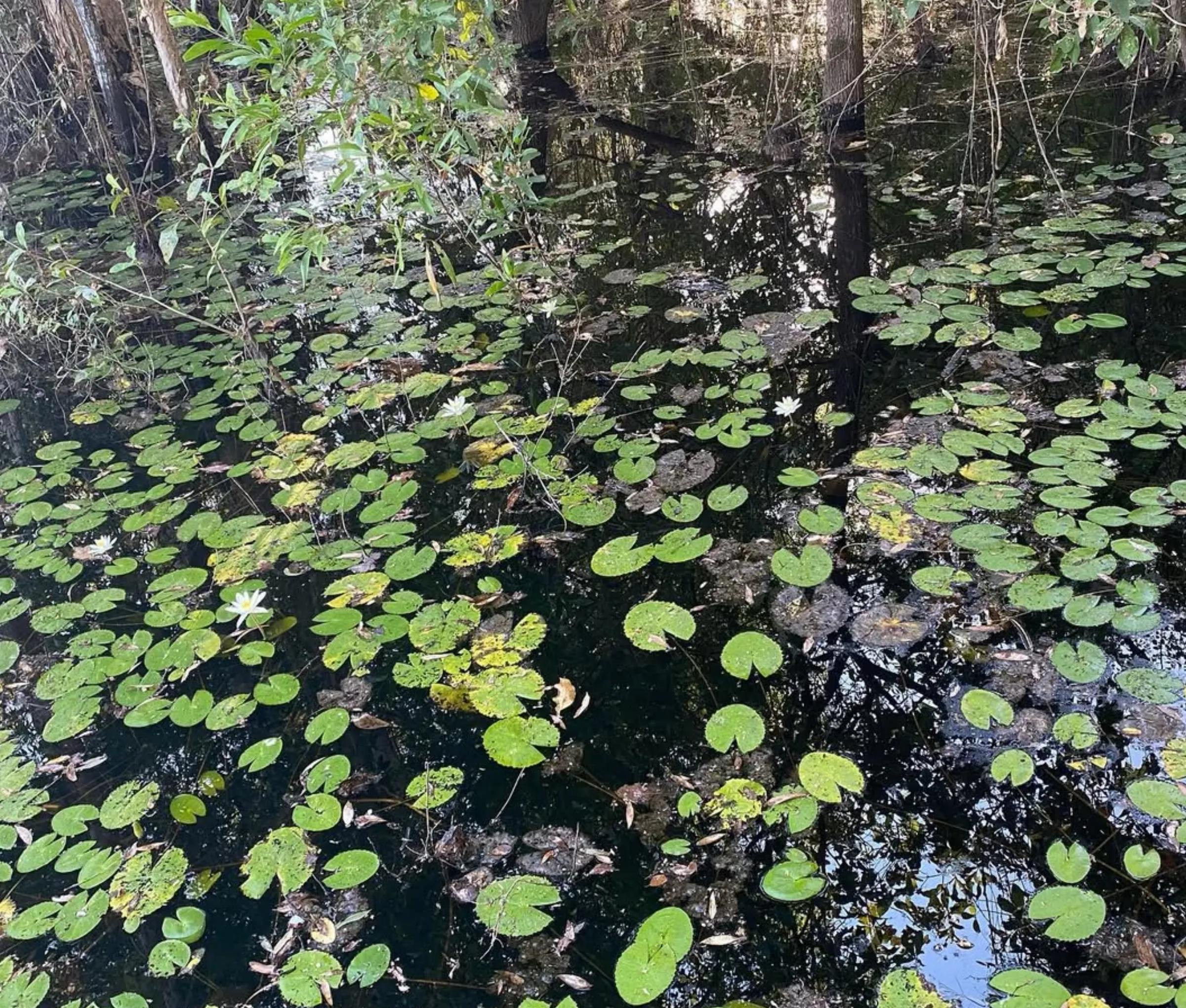
Birding is all year round. The dry season (May to October) is when the birding is at its best, and many species, including the Blue-faced Honeyeater and Dusky Honeyeater, are active in the area. The wet season (November to April) brings lush vegetation and a different but equally beautiful view of the reserve. During this time, you can see more migratory water birds, such as the Arafura Fantail. Whatever the time of year, you will see stunning views of the wetland and forest habitats that make Fogg Dam so special. For an even richer wildlife experience, consider a Kakadu tour to explore the breathtaking landscapes of Kakadu National Park. A tour Kakadu will introduce you to diverse ecosystems, Aboriginal culture, and incredible birdwatching opportunities.
For a more in depth wildlife experience Wayoutback Tours offer guided Kakadu tours to the Top End including Kakadu day trip from Darwin.
Access and Visitor Information
Fogg Dam is just off the Arnhem Highway and is only a short drive from Darwin. The reserve is well signposted and there are park safety signs throughout the area to keep visitors safe. If you are visiting during the wet season please check the conditions before you come as flooding can affect access. Wear suitable clothing and insect repellent as the reserve is home to many insects and other wildlife.
For more information interactive park maps are available at BIG4 Holiday Parks in the area and the reserve has free interactive park displays for visitors to learn about the flora and fauna.
Conclusion
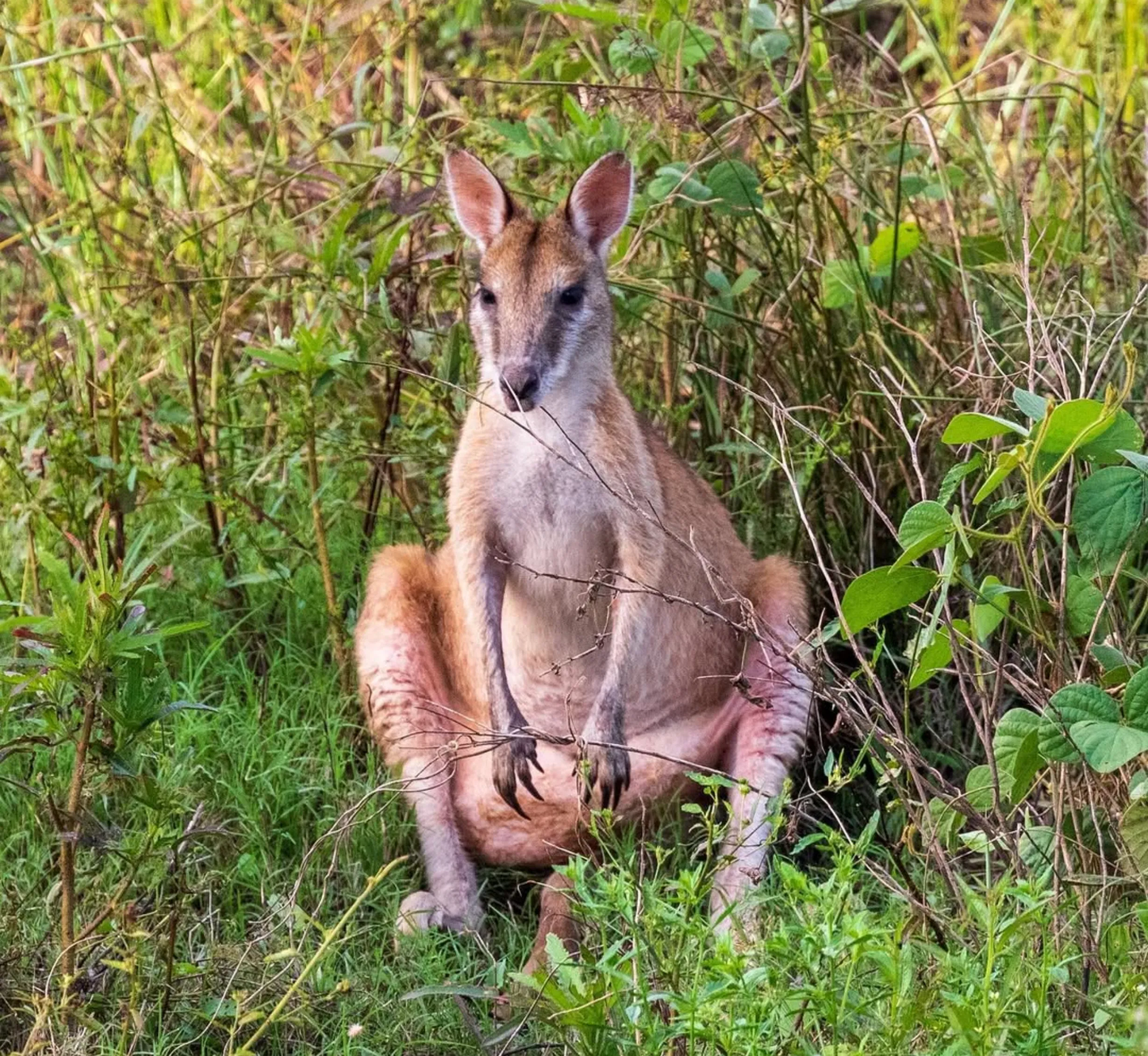
Whether you’re a bird enthusiast, nature lover or just looking for a peaceful retreat surrounded by scenery Fogg Dam Conservation Reserve is a must see. With its wetlands, wildlife and birding opportunities it’s a NT gem. From the birds to the forest and wetland walks Fogg Dam is part of Australia’s natural heritage.
FAQ
What birds will I see at Fogg Dam?
Fogg Dam has over 200 bird species including Black-necked Stork, Magpie Goose, Rose-crowned Fruit-Dove, White-bellied Sea-Eagle and many more migratory and resident wading birds.
When is the best time to visit Fogg Dam for birdwatching?
Best time to visit for birdwatching is during the dry season (May to October) when migratory birds are in and the weather is better for outdoor activities.
Are there crocodiles at Fogg Dam?
Yes, there are crocodiles in the area and crocodile warning signs are throughout the reserve. Please be careful and follow park signs.
What ecosystems are there at Fogg Dam?
Fogg Dam has wetland systems, monsoon forests, paperbark forests and floodplain habitats.
Can I visit Fogg Dam all year?
Yes, Fogg Dam is open all year round but the experience varies by season. Wet season (November to April) is lush and dry season (May to October) is best for birdwatching.