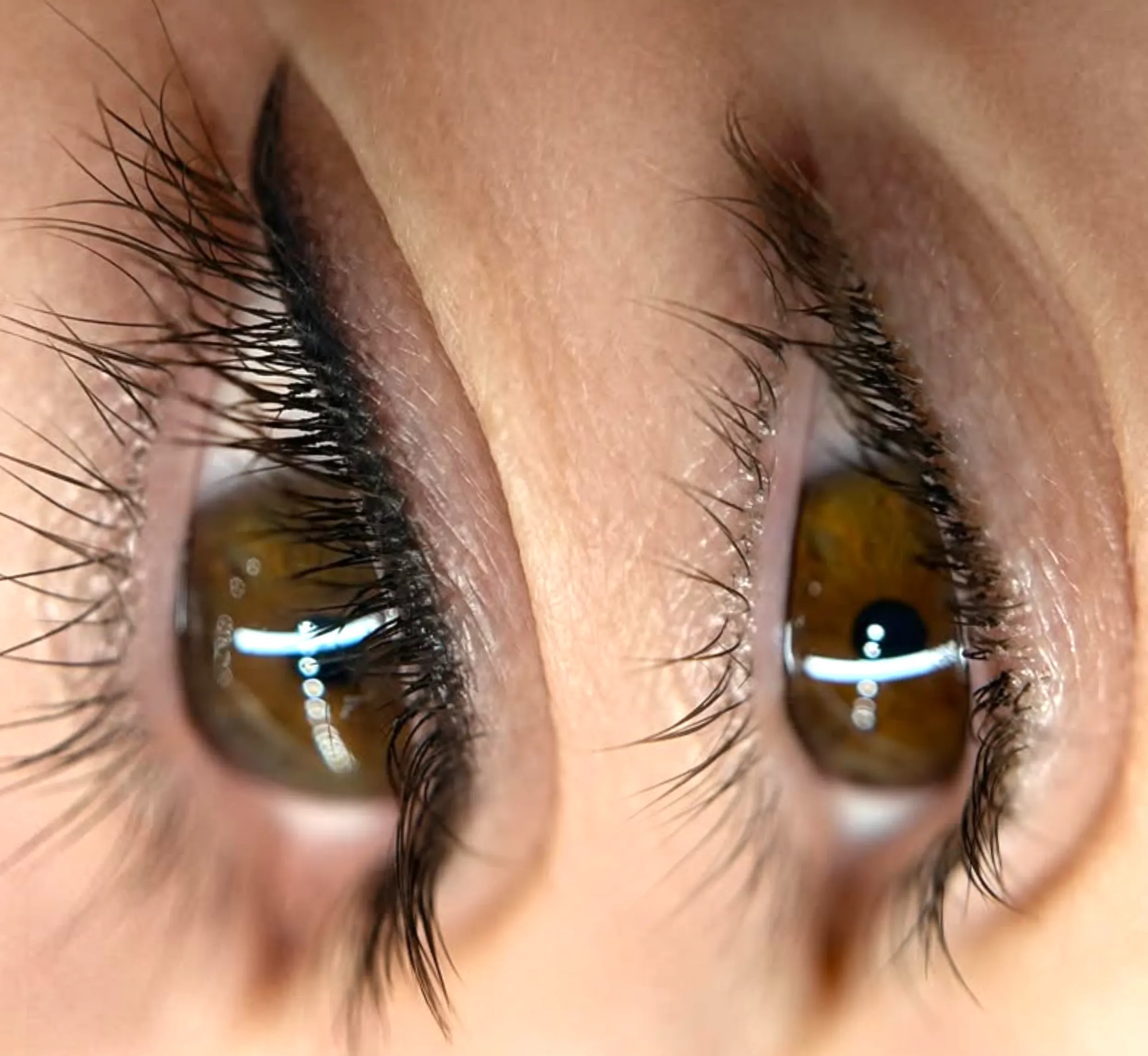

Can permanent eyeliner migrate? It’s one of the most common questions I get asked in my Melbourne studio, and it’s a fair one. Tattooing near the eyes isn’t exactly something you want to risk without knowing the facts. I’m Olha Po, a licensed cosmetic tattoo artist with nearly a decade of experience in permanent makeup and cosmetic tattooing, and I’ve seen just about every eyeliner scenario you could imagine — from crisp, clean results to the occasional pigment migration when things weren’t done right. Today, I want to walk you through what eyeliner migration actually is, why it happens, how to avoid it, and what to do if it ever occurs. At Cosmetic Tattoo Studio Melbourne Face Figurati, we specialise in results that are precise, safe and tailored to you.
Why Lash Line Tattooing Has a Reputation for Migration
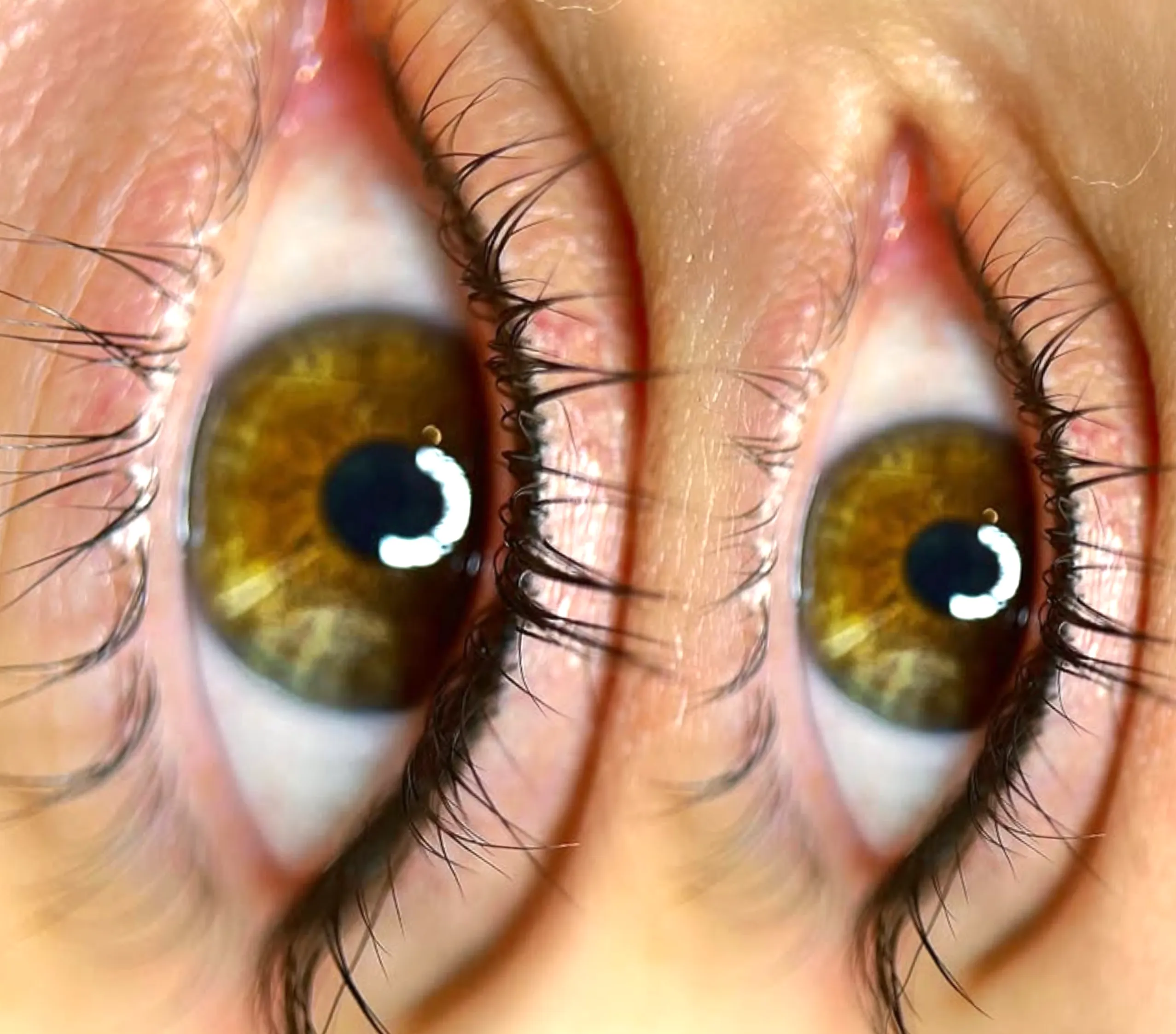
The skin around your eyes is the thinnest and most delicate on the body, so it’s more prone to pigment migration if not tattooed with precision. Unlike brows or lips, cosmetic eyeliner tattoos sit right along the lash line where lymph nodes and delicate vessels are concentrated. If tattoo ink is implanted too deeply into the superficial dermis, spreads through tissue or is applied with poor manual techniques, it can blur and create that “smudged” look clients fear. Migration doesn’t happen often when done professionally, but it’s one of those risks worth knowing about before booking.
What Actually Causes Pigment to Migrate
Pigment migration isn’t about “bad tattoo pigments” — it’s usually about technique, skin condition or aftercare. Here are the main culprits I see:
- Needle depth — going too deep pushes pigment particles into tissue where they don’t belong.
- Needle size — larger or blunt cosmetic tools can cause trauma and allow pigments to spread.
- Skin types — oily or loose skin can sometimes hold pigment differently.
- Aftercare mistakes — rubbing, heavy sweating or not following the healing process instructions can cause movement.
- Inadequate training — an inexperienced tattoo artist is the biggest risk factor.
At Cosmetic Tattoo Studio Melbourne Face Figurati, we use advanced tattoo machines, fine needles and controlled pressure to minimise these risks. If you’re researching a cosmetic tattoo Melbourne service, make sure the studio you choose has proven experience and client results.
How Often Does Pigment Migration Occur?
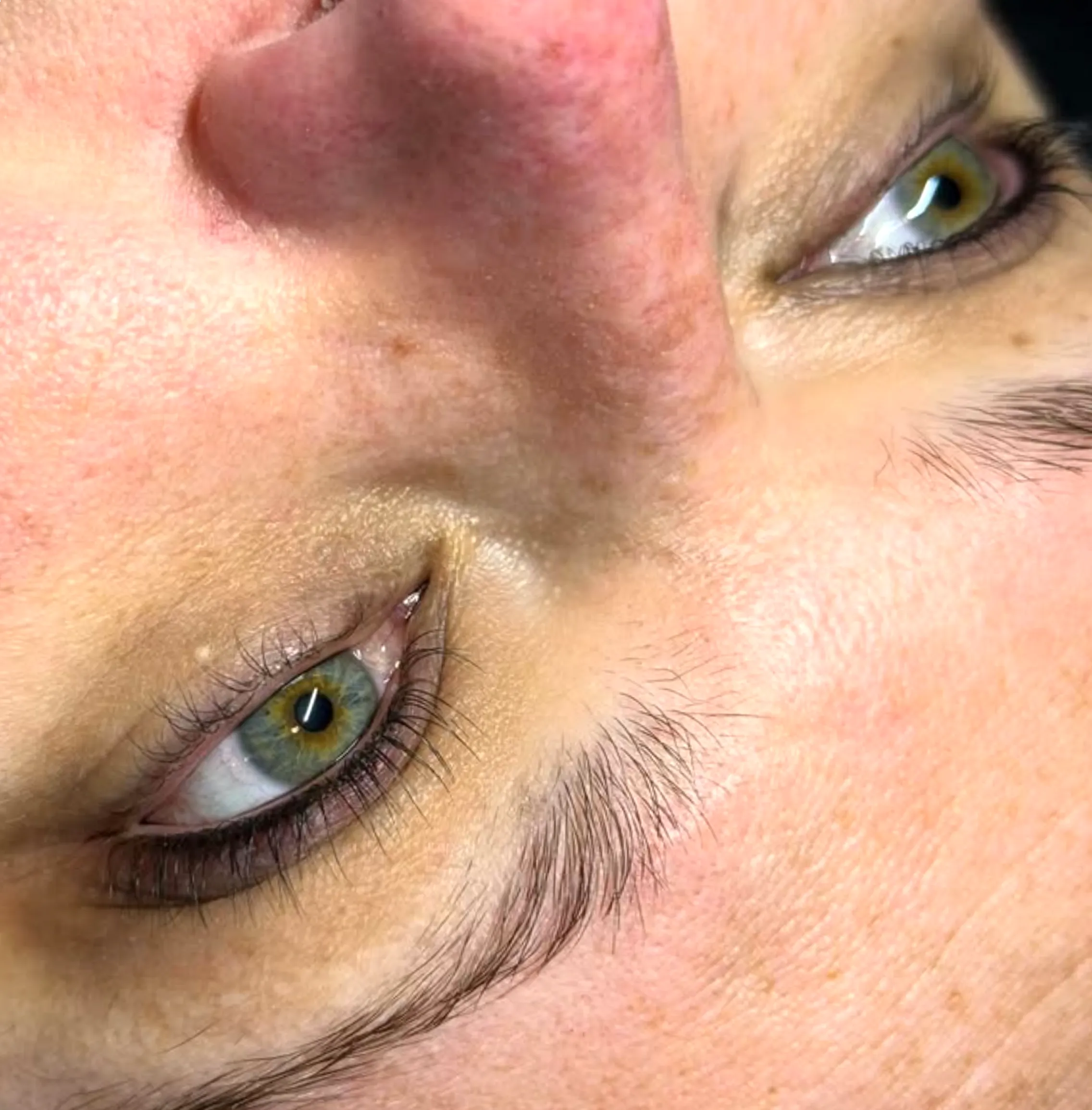
Luckily, pigment migration is rare when done by trained professionals. According to industry studies, less than 5% of permanent makeup clients experience noticeable pigment migration — and most of those cases are when the procedure was done with inadequate training or without proper safety protocols. In my own practice, I’ve seen only a handful of cases, usually when clients came to me after a poorly done job elsewhere. Choosing an experienced cosmetic tattoo artist reduces the risk of migration.
Healing Timeline: What’s Normal vs What’s Not
| Timeframe | What You’ll See | What’s Normal | When to Worry |
| Days 1–3 | Slight swelling, darker colour | Mild puffiness, tenderness | Extreme swelling, allergic reactions, or spreading pigment beyond the lash line |
| Days 4–7 | Flaking, itching | Pigment lightening, dry patches | Pigment pooling in one spot |
| Weeks 2–4 | Settling, colour softens | Even lines forming | Any blurred or smudged effect appearing |
| Weeks 6–8 | Fully healed | Crisp, defined result | Obvious pigment outside the intended area |
If you notice anything unusual during healing, reach out to your artist immediately. Migration often shows up in the first few weeks, so catch it early.
How to Reduce the Risk Before Your Appointment
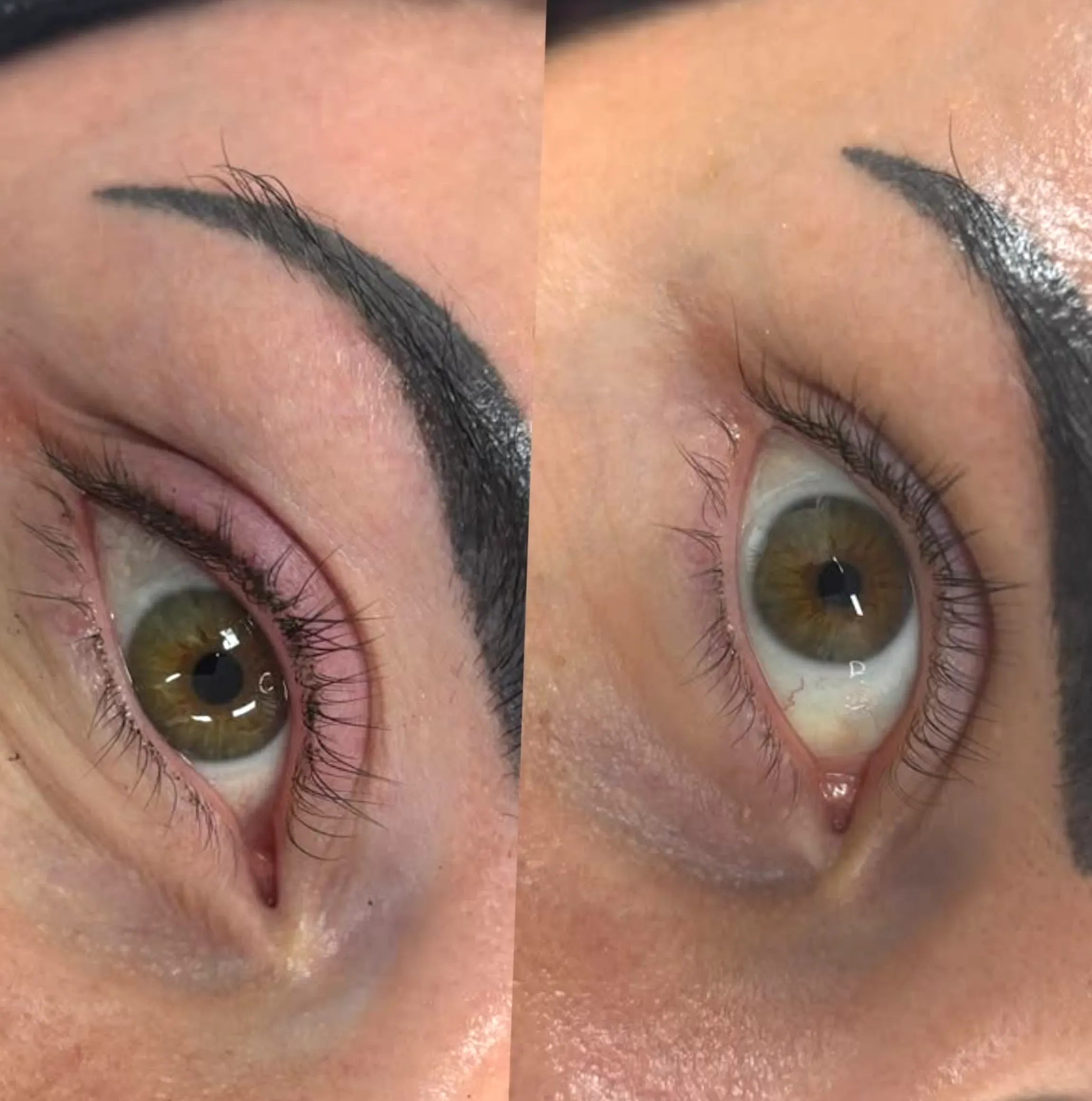
- Avoid blood-thinning medication, alcohol or caffeine 24 hours prior.
- Don’t use lash growth serums for a few weeks — they make the skin more sensitive.
- Don’t come in with lash extensions (they need to be removed).
- Let your artist know if you have any history of skin conditions, eye problems or allergic reactions.
Think of it as giving your skin the best chance to heal cleanly.
Aftercare That Keeps the Pigment In Place
- Keep the area dry for the first few days.
- Don’t rub or tug at your eyes.
- Avoid heavy workouts and saunas during healing.
- Don’t apply makeup, eyelid glitter or brow pencils until fully healed.
- Follow your artist’s aftercare balm instructions — don’t improvise with random creams.
I always send my clients home with a detailed aftercare guide so there’s no guesswork.
Can Migration Be Fixed?
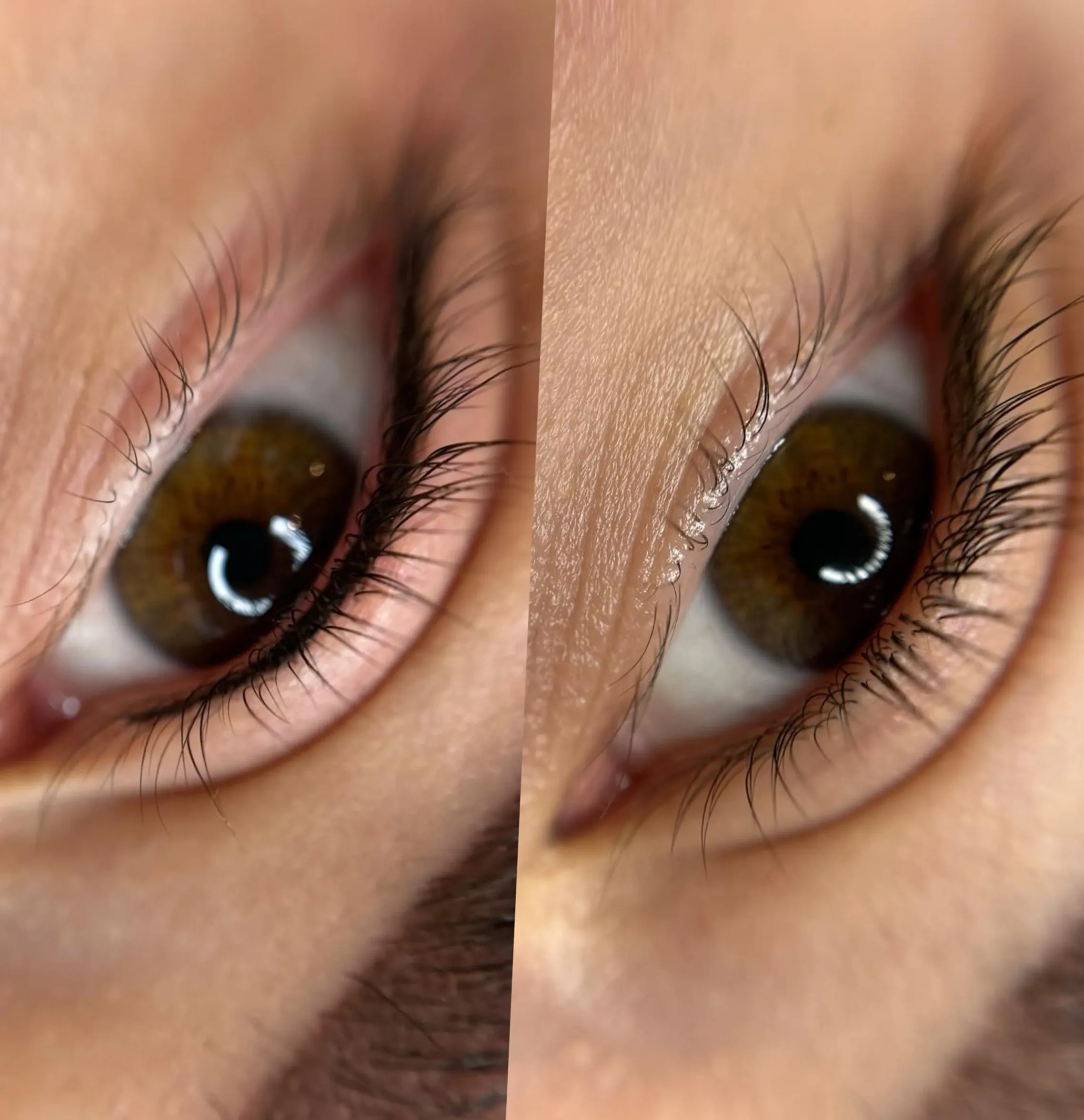
Good news: yes. Pigment migration can usually be corrected with laser tattoo removal or camouflage tattooing, depending on the extent. At Face Figurati, I’ve helped clients get their eyeliner back to a clean state by carefully neutralising migrated pigment. Patience is key — sometimes it takes a few sessions to get back to a natural look.
Melbourne Skin and Lifestyle Factors
Here in Melbourne, we have unique skin challenges. Our dry winters and UV-heavy summers can affect how cosmetic tattoos heal and age. Sunscreen and good skin hydration aren’t just for your face — it’s for your tattoos too. I always remind my clients: the healthier your skin, the better your pigment will stay put.
What to Ask Before Booking Your Tattoo
- What training and certification do you have?
- How many eyeliner tattoos have you done?
- What safety measures do you use (like interocular shields and numbing cream)?
- What pigments and machines do you use? Do you consider pigment matching for different skin tones?
- Can I see healed photos, not just fresh ones?
If they can’t answer these, keep looking. Many of us, including myself, also teach eyeliner tattoo courses in Melbourne so new artists can learn proper safety and technique. You can even do an eyeliner tattoo course before committing to the treatment to get a better understanding of the process.
Real Client Story: Correcting Migration
One client came to me after an eyeliner tattoo done overseas spread into her lower lid, giving a constant smudge look. She was gutted. Over three correction sessions using laser fading and careful retattooing with cosmetic tools, we got a crisp line that lifted her eyes instead of weighing them down. Her reaction after the final session? “I feel like myself again.”
Cost in Melbourne
Professional cosmetic eyeliner tattoos in Melbourne range from $500 to $900, depending on the style and artist’s experience. Correction work can cost more, especially if laser sessions are involved. My advice? Don’t shop on price — shop on expertise. Migration corrections almost always end up costing more than getting it right the first time.
Final Thoughts: Your Eyes Deserve the Best
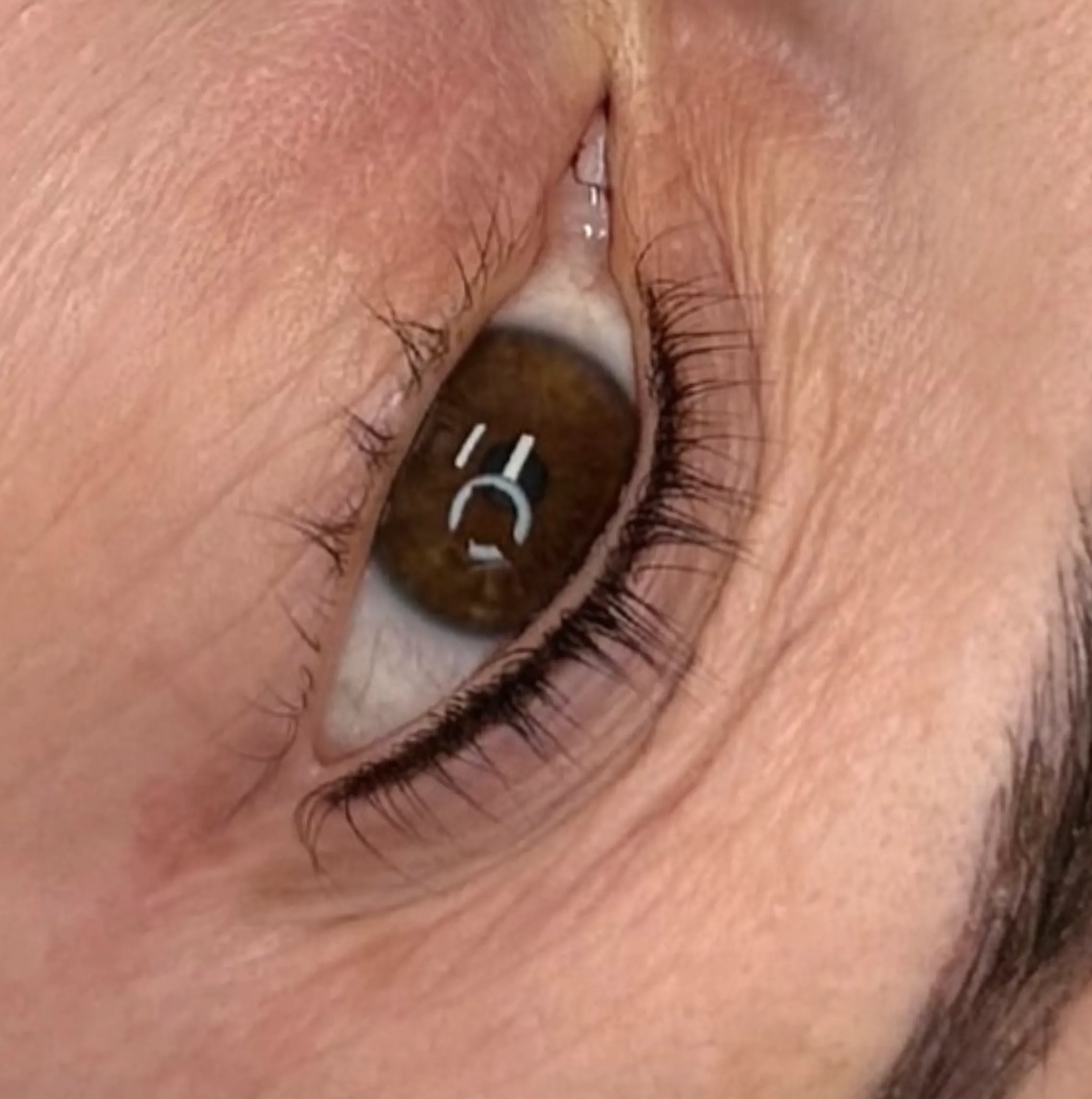
Pigment migration sounds scary, but with the right tattoo artist and proper care, it’s very rare. At Cosmetic Tattoo Studio Melbourne Face Figurati, I prioritise precision, safety and natural results that age well. Whether you’re after a cosmetic tattoo Melbourne service or you’re interested in eyeliner tattoo courses, my advice is simple: always choose experience over shortcuts. If you’re considering cosmetic eyeliner tattoos and still have questions, book a consult — I’d rather you feel informed than take a gamble with your eyes. Remember: cosmetic tattoos should lift your look, not leave you worried about smudges you didn’t draw yourself.
FAQ
Does migration happen immediately?
Usually shows up during the healing phase within the first few weeks. Rarely can pigment shift months later due to trauma, skin conditions or lifestyle factors.
Can migration happen years after the tattoo?
Yes, though it’s uncommon. Ageing skin, hormonal changes, or certain medications can sometimes alter pigment over time.
Is migration dangerous for the eyes?
Migration itself isn’t harmful to your eyesight, but poorly done cosmetic tattooing can cause irritation or infection if not performed under sterile conditions with proper cosmetic tools.
Can I prevent migration completely?
While no tattoo artist can guarantee zero risk, choosing an experienced professional, ensuring proper pigment matching and following aftercare instructions reduces the chances.
What’s the fix if migration happens?
Laser removal is the most reliable option, though small cases can sometimes be camouflaged with additional tattooing or semi-permanent eyeshadow techniques.