
You can’t even believe the number of times I get asked, “What ancient caves are in the region of the Blue Mountains?” while I’m boiling the billy on a chilly Katoomba morning, steam rising into the misty air. I’m Paul Beames, and over the years of guiding people through the rough and tumble of rocky hollows, limestone caves, rock shelters & sandstone overhangs in the World Heritage Blue Mountains, I’ve learned there’s a hell of a lot more to this place than the lookouts you usually tick off on a Blue Mountains day tour from Sydney.
The wider Greater Blue Mountains Area – a region recognised by UNESCO as a World Heritage Property – sits alongside some of Australia’s most impressive cave systems. It’s the kind of place that operators like Wildlife Tours love working in, because every trip brings a fresh story and a new traveller asking which old caves to find.
How Limestone Giants Tell The Story Of Deep Time
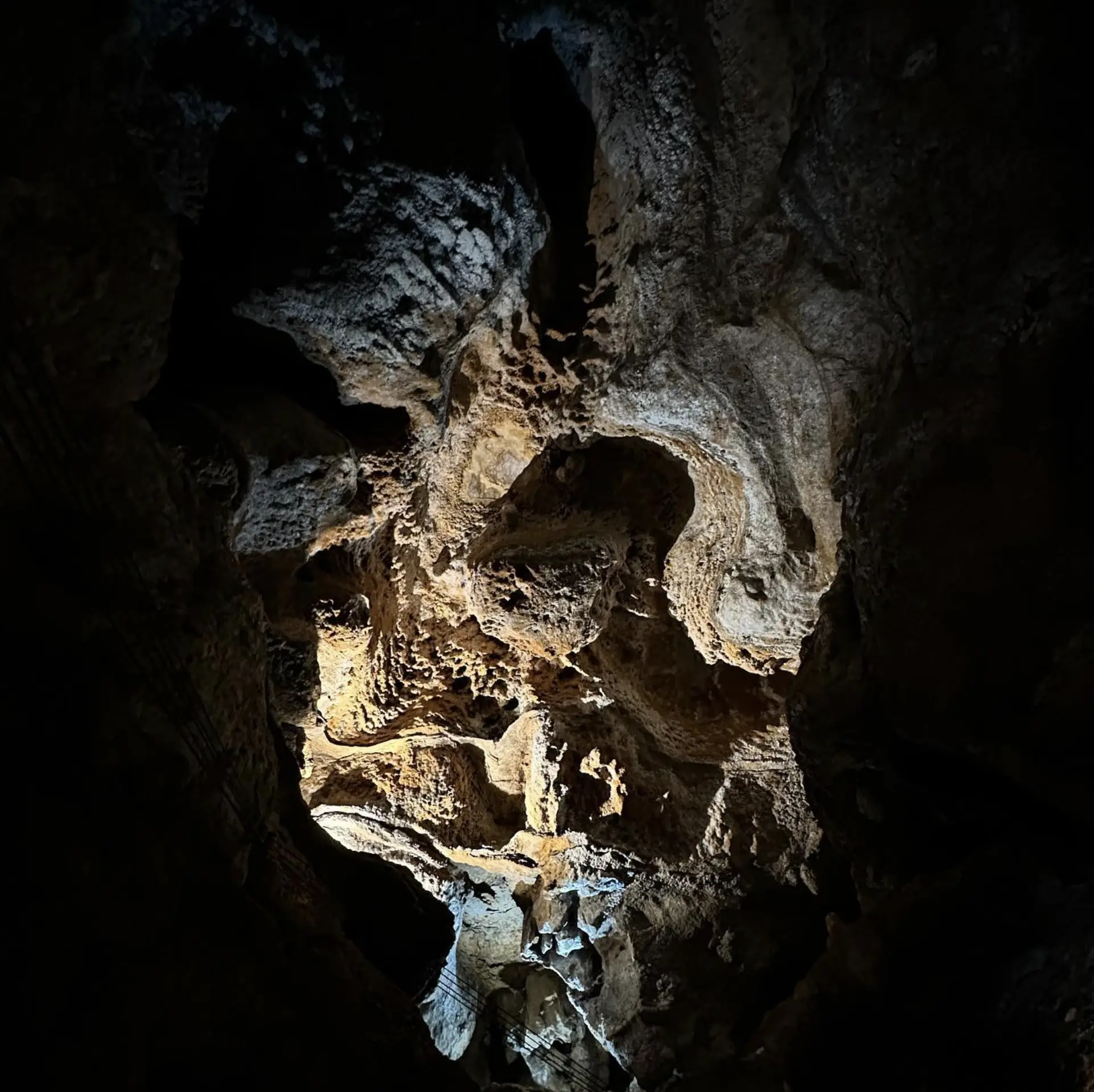
The limestone that runs through this region started forming long before humans were whittling flint tools or scrawling pictures across sandstone walls. These aren’t just any caves – they’re karst landscapes created as the soluble rock dissolved to form caverns, hidden underground rivers, & just plain outlandish rock formations.
Here’s a rough guide to the core cave systems people usually explore around the Blue Mountains:
Table: Major Cave Systems In The Blue Mountains Region
| Cave System | Approx. Age | Rock Type | Drive Time From Katoomba | Access Notes |
| Jenolan Caves | ~340 million years | Limestone | ~1 hr 20 mins | Sealed road; occasional landslip closures |
| Wombeyan Caves (Wombeyan Karst Conservation Reserve) | ~430 million years | Limestone | ~2 hr 30 mins | Narrow winding access road |
| Abercrombie Caves (Abercrombie Karst Conservation Reserve) | ~400 million years | Limestone | ~3 hr | Remote; limited reception |
| Sandstone Rock Shelters | 200+ million years | Sandstone | Scattered | Cultural access restrictions apply |
A few sites such as Dargan Shelter and other Pleistocene-aged shelters show hearth features, stone artefacts, bone points, sandstone grinding slabs, and other Ice Age signatures that help us understand early occupation through research guided by First Nations community knowledge holders, including Gomeroi knowledge holders working in collaboration with scientific teams.
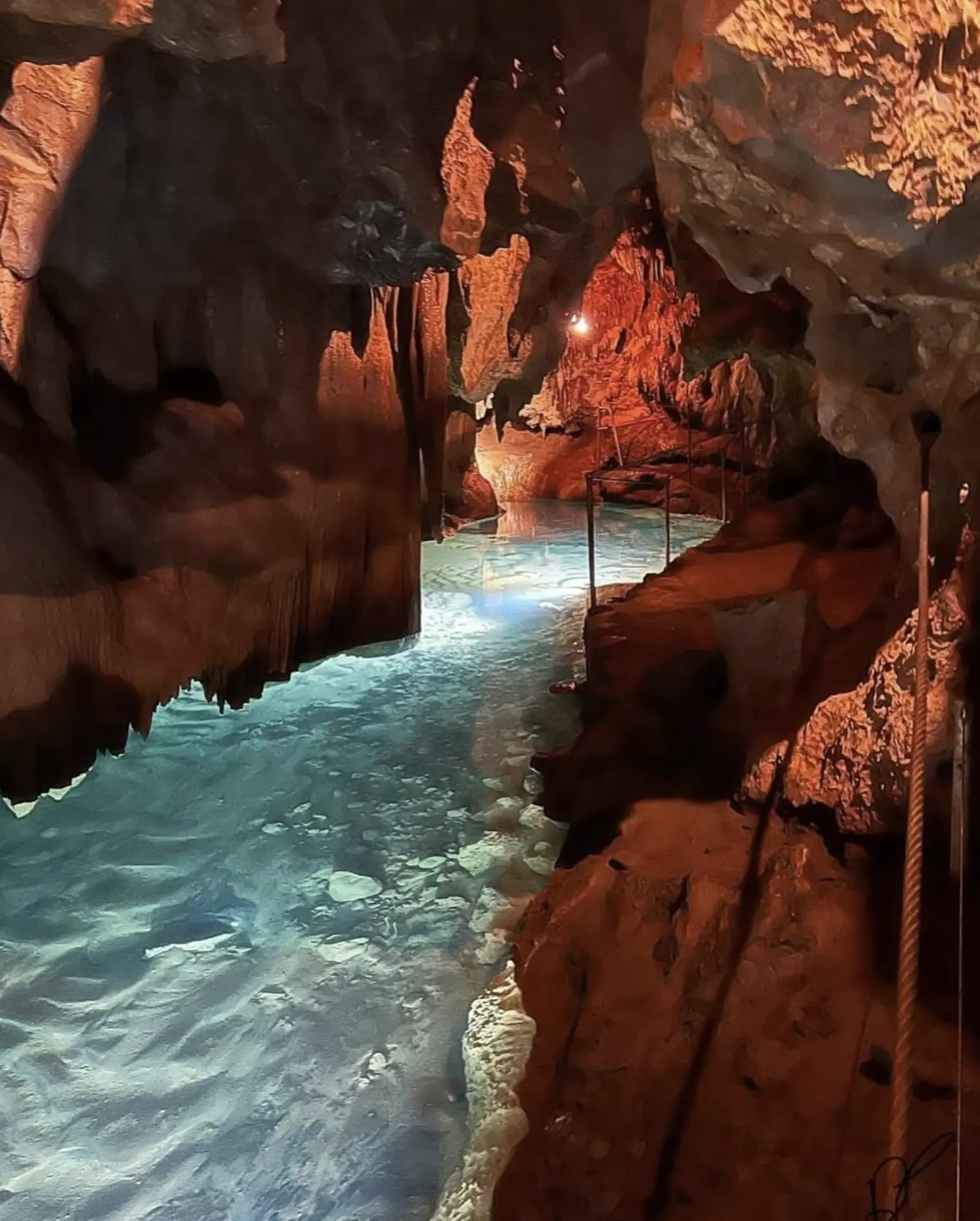
Jenolan Cavesit’s: The Limestones of Legend
Actually, there’s not much to beat the Jenolan Caves in NSW – this amazing system is home to some truly world-class features like the Imperial Cave, the River Cave, Nettle Cave, the Jubilee Cave, the Temple of Baal Cave, and the incredible Jenolan Underground River. When you meander through Crystal Cities, glance up at an Alabaster Column, or watch the Blue Lake glow an almost electric blue right beside the Jenolan River, you start to get a sense of just how damned old this place really is.
I’ve spent years showing people around on guided tours here. The cave lighting’s always a winner – the old hydro-electric power used to be sourced right from the valley – it’s pumping out some seriously great light on the crystal helicities and rock formations that look like they shouldn’t belong on this planet.
Top attractions include:
- Jenolan Caves House and the Heritage Centre
- Chisolm’s Restaurant (come with a healthy appetite)
- The McKeown’s Valley Walking Track,If which links up with some open forest and the Grand Arch
- The tracks that connect to the 6 Foot Track / Six Foot Track, an old Bridle Track
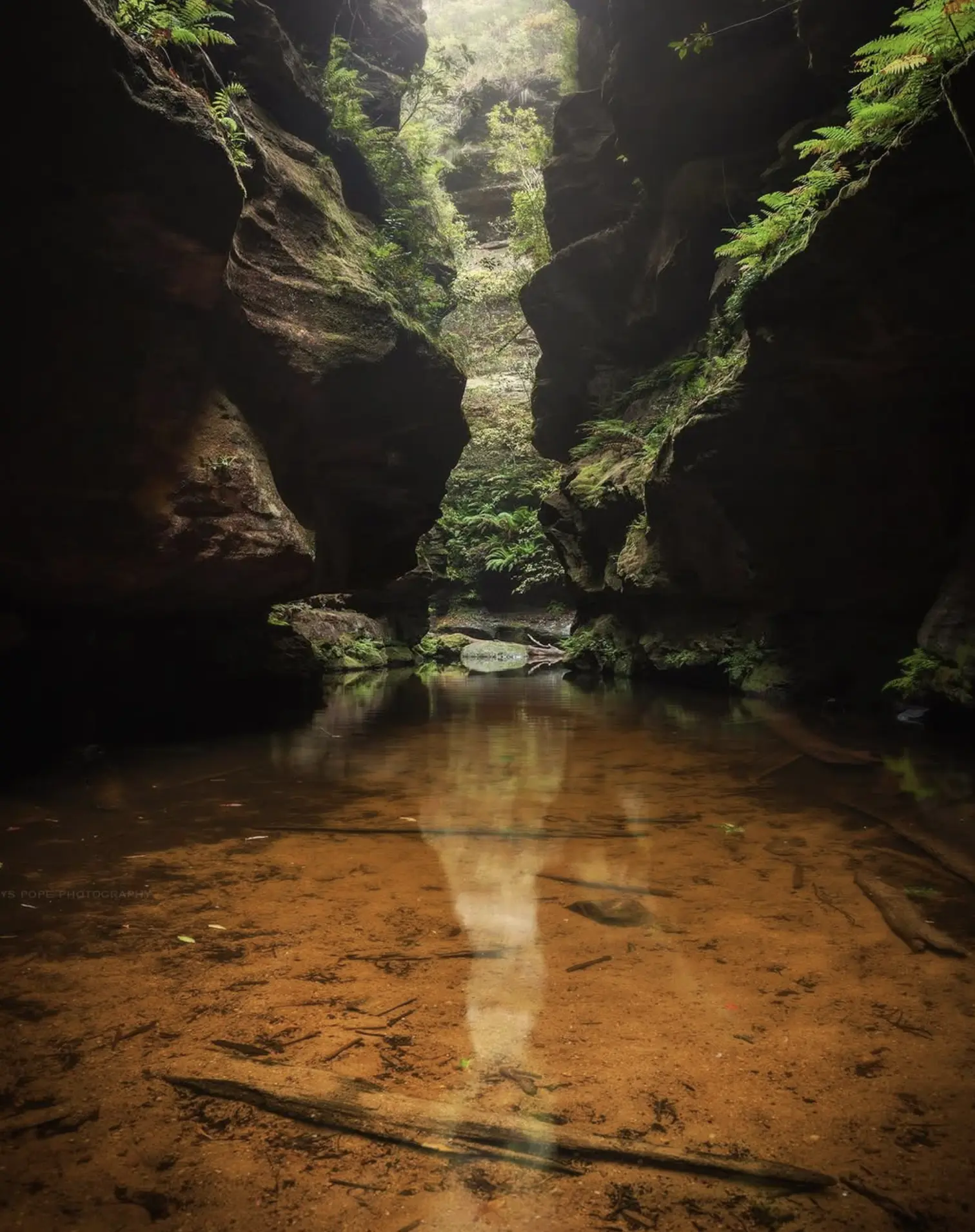
A Local Tip
If you want the whole drama and best acoustics, then the Temple of Baal and Lucas Cave are the way to go. For a gentler walk, try the Imperial Cave.
Wombeyan Caves: Toughest Roads In The Region
These caves are tucked away in the Wombeyan Karst Conservation Reserve and are some of the oldest in eastern Australia. The road out there can be absolute rubbis,h but the rewards – Wollondilly Cave, Fig Tree Cave, ancient flowstones and marble-like passages – make every kilometre of the dirt road well worth it.
The researchers have been studying stone tools and periglacial environments in nearby shelters for ages, and what they’ve done is make some real links between the Ice Age climates and the way people lived back then.
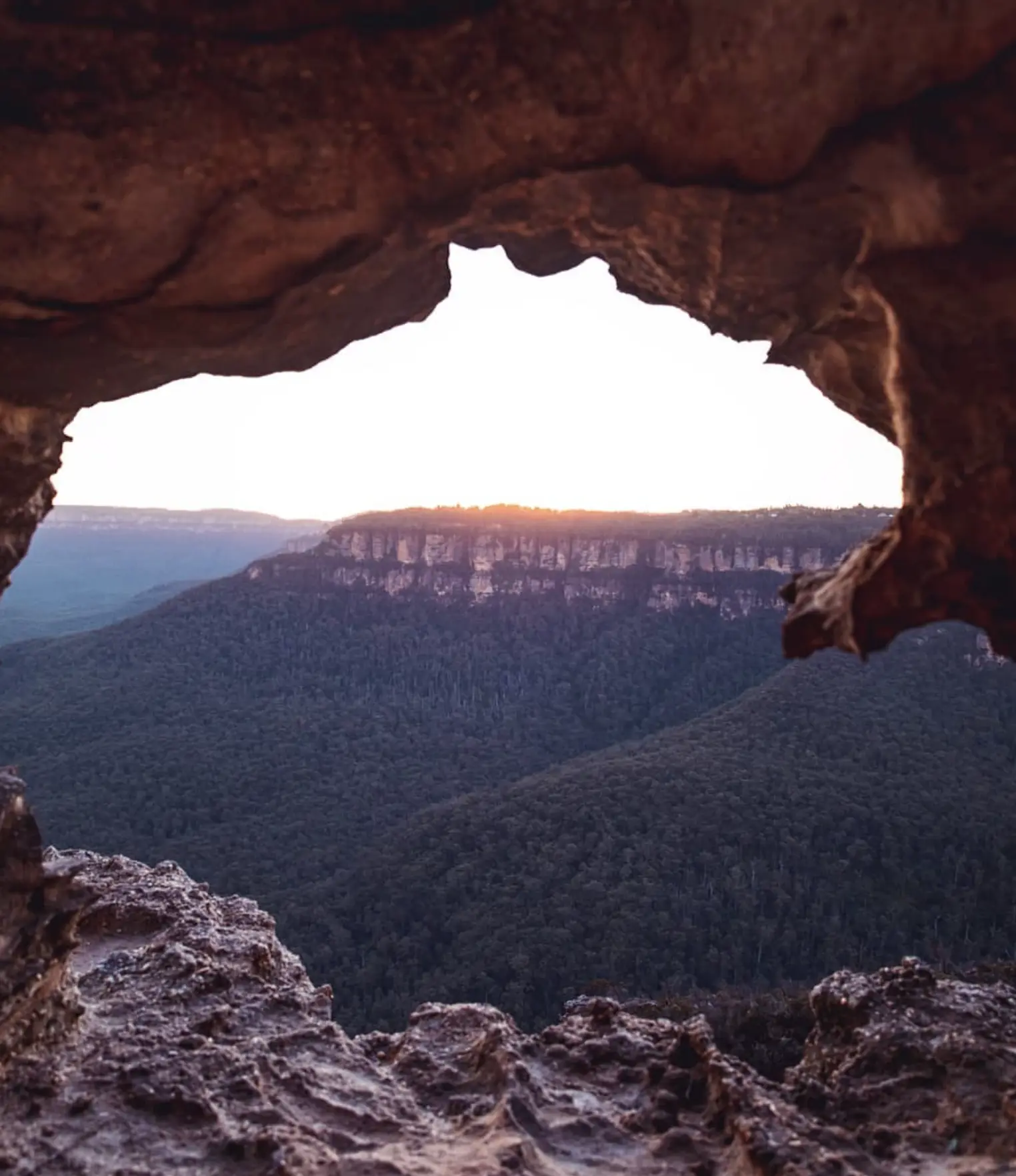
Wombeyan’s Hidden Gem
- So remote that you feel like you’re the only one around
- Some of the most striking marble-like limestone you’ll ever see
- Self-guided or guided access – you can make it as straightforward or as hard as you like
Abercrombie Caves: Australia’s Grand Arch Finding
The Abercrombie Karst Conservation Reserve is home to one of the biggest natural arches in the whole country – and it’s a real showstopper. The sheer size of the Grand Arch gives you an idea of the real power of those underground rivers and how long it takes to wear away all that soluble rock.
It’s dead quiet out this way – which is perfect if you like having the place to yourself and enjoying some expansive, open views of the bush without all the crowds that you might get on the Scenic Railway or the Giant Staircase back over at Katoomba.
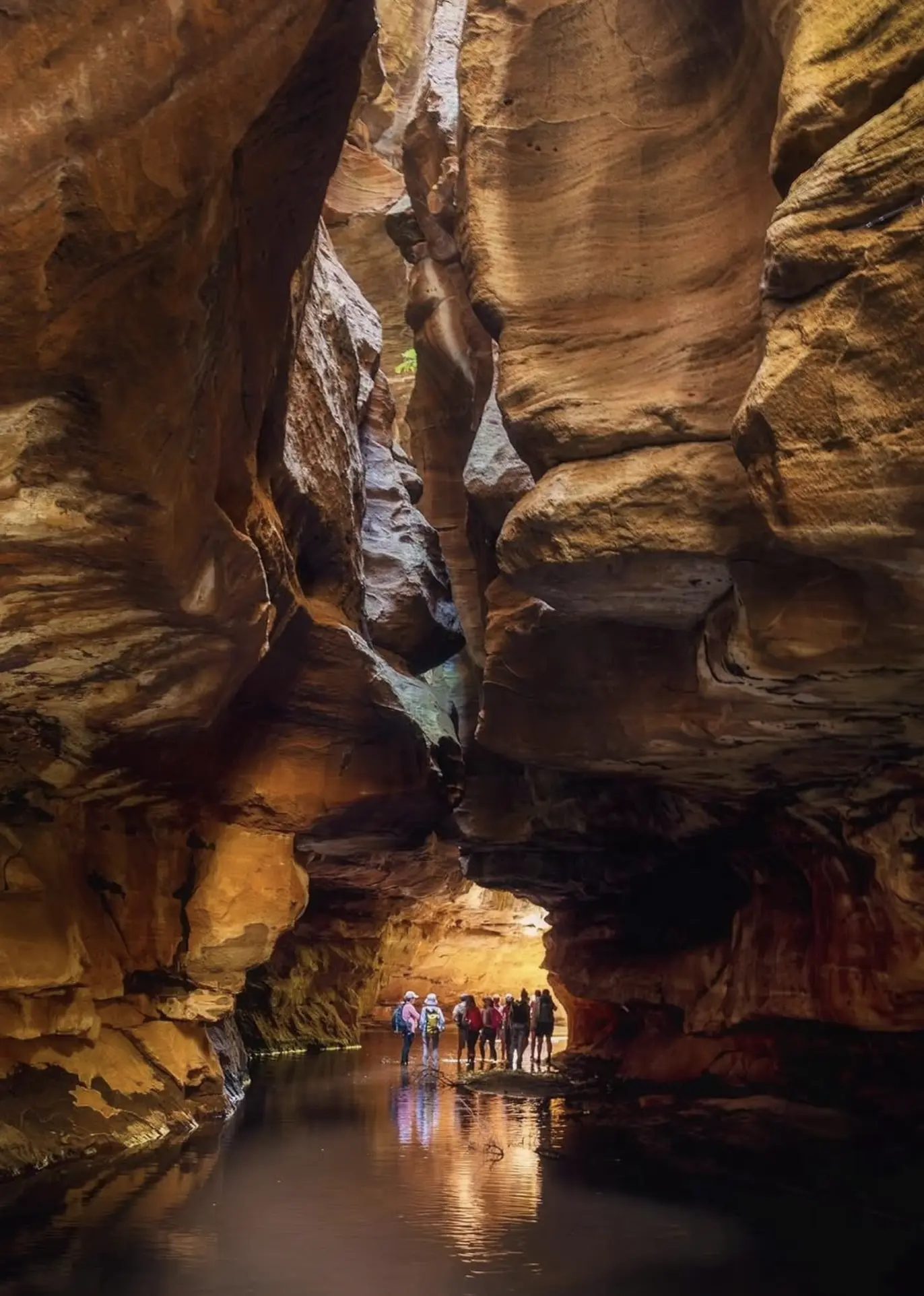
Sandstone Rock Shelters: Ancient Stories Within
Deep within the World Heritage-listed region, you’ll find sandstone overhangs that have been hiding in plain sight for thousands of years. These shelters hold some of the earliest stories this country has to tell – think rock art, engravings, and cultural tales that predate European arrival by a long shot. Places like Dargan Shelter give us a glimpse of what life was like during the Pleistocene era, with stone tools, basalt anvils, and even hearth features that have been excavated with the help of First Nations leaders.
These ancient shelters are part of a much bigger picture. This network stretches from the Blue Mountains all the way to Kosciuszko National Park and beyond, including places like Wellington Caves, Binda Caves, Yarrangobilly Caves, and many others.
Practical Tip
To avoid confusion,. stick to the marked tracks when visiting these cultural sites. Access restrictions are in place to protect both the story and the science, so it’s up to us to respect those rules and preserve these amazing sites
Choosing The Right Cave Adventure For Your Mob
- If you’re after some serious stalactite and stalagmite action → Jenolan Caves is your go-to.
- For a real off-grid, old-school karst experience → Wombeyan or Abercrombie are the way to go.
- If you’re an Ice Age buff → sandstone shelters like those found in Pleistocene study sites are a must-see.
- For an authentic cultural learning experience → look for First Nations-led rock art interpretation walks.
A No-Nonsense Checklist Before You Head Out
- Make sure you fill up on petrol early in the day (don’t be stuck at some dodgy servo at the last minute).
- Pack a torch (you never know when you might need it).
- Bring water and snacks (you’ll be out for a while).
- Respect cultural protocols (we don’t want to risk causing any unintended harm).
- Get those maps downloaded before you lose signal (you don’t want to be stuck without a clue).
- Check NSW Parks for any last-minute closures before you head out.
From The Track
These amazing landscapes – from towering limestone formations to ancient sandstone shelters – show just how complex and old this country really is. And whether you’re tagging along with a group, joining a Blue Mountain day tour from Sydney by Wildlife Tours, or just heading out on your own, you can bet you’ll feel the age of this land beneath your feet.
FAQ
Are there limestone caves inside Blue Mountains National Park?
No, unfortunately not. The park is built on sandstone, so if you’re looking for some serious limestone action, you’re best off heading to places like Jenolan, Wombeyan, or Abercrombie.
What makes Jenolan so globally significant?
Well, for starters, it’s a whopping 340 million years old. Plus, it’s got an enormous cave, system, a Jenolan Underground River, some truly breathtaking Crystal Cities formations, and a role to play in Australia’s geological and cultural history that’s hard to overstate.
Can I just rock up to Dargan Shelter anytime I like?
Sorry, no. A lot of shelters containing rock art, tools, or valuable cultural artifacts like grinding slabs are subject to cultural restrictions, so you’ll need to stick with a guided tour led by First Nations people.
What’s the easiest cave for beginners?
Hands down, it’s the Imperial Cave at Jenolan – great short paths, and some truly mind-blowing formations to check out.
Can I walk from Katoomba to Jenolan?
You bet you can – via the classic Six Foot Track, a multi-day walk that’ll take you through valleys, creeks, and old bridle routes. It’s a real treat.